Federal Government Confirms $2,000 Payments: As January 2026 draws near, many Americans are paying close attention to a newly confirmed federal $2,000 one-time payment. This payment has been announced as a short-term relief measure meant to help individuals and families cope with rising living costs. Expenses such as groceries, electricity, rent, and healthcare have increased steadily, placing pressure on household budgets.
This federal payment is designed to offer immediate support during a challenging economic period. While it is not a long-term solution, it can help eligible recipients cover essential costs and reduce short-term financial stress. Understanding how this payment works is important to ensure it is received without unnecessary delays.
Understanding What the $2,000 Payment Is
The $2,000 payment is a one-time federal relief payment. It is not a loan and does not need to be paid back at any time. This support is separate from tax refunds, Social Security checks, or other regular government benefits that people may already receive.

The federal government is using existing tax and benefit records to issue this payment. Because of this approach, most eligible individuals do not need to submit a new application. This allows payments to be sent faster and reduces paperwork for both recipients and federal agencies.
Who Is Eligible to Receive the Payment
Eligibility for the $2,000 payment is based on federal guidelines released in January 2026. The program is mainly aimed at low- and middle-income individuals and households who are more affected by rising costs. U.S. residency requirements must be met, and recipients must have valid taxpayer identification information.
People who filed recent tax returns are automatically reviewed for eligibility. In addition, some federal benefit recipients, including Social Security beneficiaries, may qualify without taking any extra steps. Income limits apply, and the payment amount may phase out for higher earners based on filing status.

How Income Limits Affect Eligibility
Income thresholds play a key role in determining who qualifies for the payment. Individuals and families earning below certain limits are more likely to receive the full $2,000 amount. Those with higher incomes may receive a reduced payment or may not qualify at all.
Because income rules can vary depending on whether a person files taxes as single, married, or head of household, it is important to review official IRS guidance. Checking eligibility through trusted government sources helps prevent confusion and disappointment.
When the $2,000 Payments Will Be Sent
Payments will be issued on a staggered schedule beginning in January 2026. This approach helps federal agencies manage processing and avoid system overload. Some recipients may receive their payments earlier than others depending on how their records are organized.

In some cases, payment timing may align with Social Security benefit schedules or follow identification number sequences. Federal agencies are expected to release updates explaining when different groups should expect their payment.
How the Payment Will Be Delivered
Direct deposit is the fastest and most secure way to receive the $2,000 payment. Individuals who already have bank account information on file with the IRS or federal benefit programs will likely receive the funds automatically in their accounts.
For those without direct deposit information on file, the payment may arrive as a paper check by mail. Paper checks usually take longer, sometimes several weeks. Keeping banking and mailing information updated can help avoid delays or delivery problems.

What Non-Filers and Retirees Should Know
Some people who did not file a recent tax return may still be eligible for the payment. In these cases, the government typically provides a simple non-filer registration option. This allows eligible individuals to submit basic information so the payment can be processed.
Retirees and federal benefit recipients should review their online accounts to ensure contact and banking details are accurate. Saving confirmation messages and tracking payment status can be helpful if any issues arise during distribution.
Preparing Now to Avoid Delays
Taking a few simple steps ahead of time can make the process smoother. Confirming eligibility, reviewing banking details, and staying updated through official government announcements are all important actions. These steps help ensure the payment is received quickly and without complications.
यह भी पढ़े:
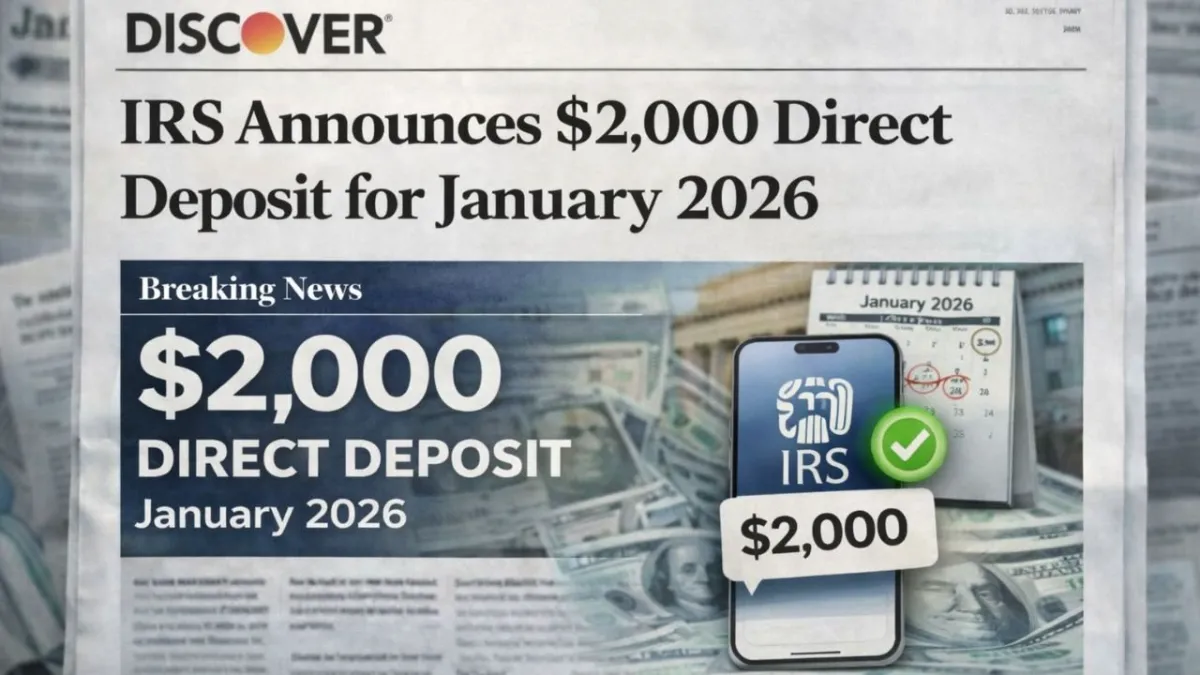
 IRS Confirms $2,000 Direct Deposit for January, 2026 – New Payment Dates and Eligibility Guide
Keeping copies of confirmations, notices, and payment records is also recommended. This documentation can be useful if there are delays or discrepancies that need to be resolved later.
The confirmed $2,000 federal payment provides meaningful short-term assistance for eligible Americans during a time of rising expenses. While it is not a permanent benefit, it can help households manage immediate financial needs and reduce pressure on tight budgets.
By staying informed, checking eligibility, and maintaining accurate records, recipients can make the most of this one-time support. Relying on official federal sources remains the best way to avoid confusion and misinformation.

Disclaimer
This article is for informational and educational purposes only. It does not provide financial, tax, or legal advice. Eligibility requirements, payment schedules, and program details may change based on official government decisions. Readers should verify all information through official IRS, Social Security Administration, or other federal agency websites, or consult a qualified professional for advice related to their individual situation.