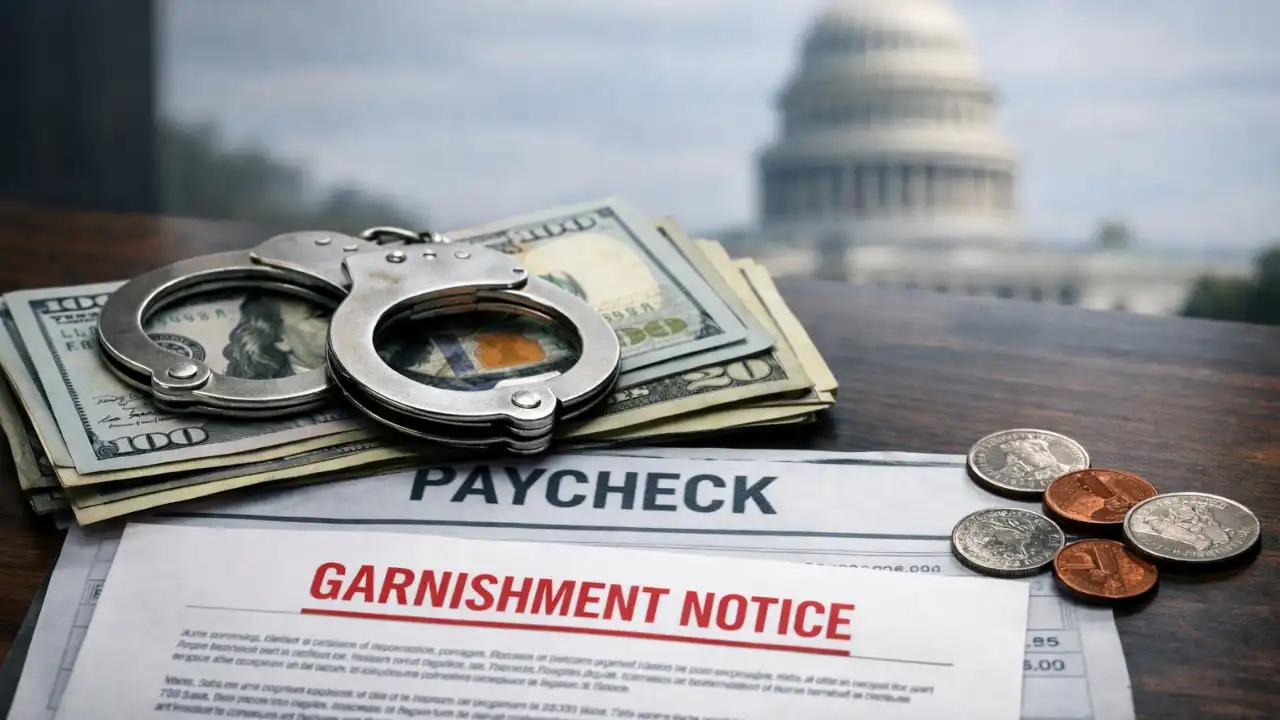
Federal Wage Garnishments Started in January: In early January 2026, many Americans with federal student loans began hearing that wage garnishment would restart after a long pause during the pandemic years. This news created anxiety among borrowers who were already struggling with rising living costs. While it is true that the federal government planned to resume collections on defaulted student loans, the full picture is more nuanced and less alarming than many headlines suggest.
Understanding how wage garnishment works, who it affects, and what the latest updates mean can help borrowers stay informed and avoid unnecessary stress. The situation in 2026 involves both a planned restart and an important temporary pause announced by the Department of Education.
What Wage Garnishment Means for Student Loans
Wage garnishment is a process that allows the federal government to collect unpaid student loan debt directly from a borrower’s paycheck. In the case of federal student loans, this process does not require a court order. Instead, the Department of Education uses its administrative authority to instruct employers to withhold part of an employee’s wages.

Once garnishment begins, the money is taken out before the borrower receives their pay. This can reduce take-home income significantly, making it harder to cover everyday expenses. Because of this impact, garnishment is usually seen as a last-resort collection tool.
Why Garnishment Was Expected to Restart in 2026
During the COVID-19 pandemic, the federal government paused student loan payments, interest, and most collection actions. This pause lasted several years and gave borrowers temporary financial relief during a period of uncertainty. As the economy stabilized, regular repayment schedules were restored, and collection activities were gradually planned to resume.
By 2025, some enforcement actions such as tax refund offsets had already restarted. Wage garnishment was expected to follow in early 2026 for borrowers whose loans remained in default. Notices were expected to go out in stages, starting with a smaller group of borrowers.

Important Update: Temporary Pause Announced
In January 2026, the Department of Education announced a temporary pause on wage garnishment and other involuntary collection actions. This decision was made while new repayment reforms and updated payment plans are being finalized. The pause provides borrowers with additional time to explore options and avoid automatic deductions from their wages.
This update is significant because it means that garnishment is not actively rolling out at this time. Borrowers who feared immediate paycheck reductions were given breathing room while the government works on simplifying repayment systems.
Who Would Be Affected by Wage Garnishment
Wage garnishment only applies to borrowers whose federal student loans are in default. A loan typically enters default after about 270 days, or nine months, of missed payments. Once in default, the entire loan balance becomes due, and collection actions can legally begin.

Borrowers who are current on their payments or enrolled in approved repayment plans are generally protected. This includes those in income-driven repayment plans or loan rehabilitation programs. Estimates suggest that more than five million Americans are in default, which explains why the issue has received so much attention.
How Much of Your Pay Could Be Withheld
Under federal law, the government can garnish up to 15 percent of a borrower’s disposable income. Disposable income is what remains after mandatory deductions such as taxes and Social Security. This amount is withheld directly from wages before they reach the borrower’s bank account.
There are protections built into the system to ensure borrowers are not left without enough income for basic living needs. Even so, losing a portion of monthly pay can still create financial strain, especially for lower-income workers.

Notice Requirements and Borrower Rights
Before wage garnishment can begin, borrowers must receive official written notice from the Department of Education. This notice explains how much is owed, the intent to garnish wages, and the steps available to respond. Garnishment does not happen without warning.
Borrowers are typically given at least 30 days to take action. During this period, they can enter repayment programs, dispute the debt, or request a hearing. Responding within this timeframe is critical for protecting legal rights and stopping garnishment before it starts.
Ways Borrowers Can Avoid Garnishment
Borrowers with defaulted loans are not without options. Enrolling in an income-driven repayment plan can adjust monthly payments based on income, making them more manageable. Loan rehabilitation programs allow borrowers to bring loans out of default by making a series of agreed payments.

Another option is loan consolidation, which combines defaulted loans into a new loan that is considered current. Borrowers facing severe financial hardship can also request a hearing to challenge garnishment. Taking action early is the best way to avoid involuntary collections.
What Happens Next for Garnishment in 2026
As of now, there is no confirmed date for when wage garnishment will resume. The Department of Education has stated that the pause will remain in place while new repayment options are prepared and implemented. This includes reforms designed to make repayment clearer and more accessible.
Borrowers should stay alert for official notices and updates rather than relying on rumors. The situation may change later in 2026, but any restart of garnishment will come with formal communication and advance notice.
यह भी पढ़े:
 IRS Confirms $2,000 Direct Deposit for January, 2026 – New Payment Dates and Eligibility Guide
The idea of wage garnishment restarting in 2026 has understandably caused concern. While there was a plan to resume enforcement, the current reality includes a temporary pause that gives borrowers time to act. This period should be used wisely to review loan status and explore repayment options.
Staying informed and proactive can help borrowers avoid sudden financial hardship. Official updates from the Department of Education remain the most reliable source of information.
Disclaimer
This article is for informational purposes only and does not constitute legal or financial advice. Student loan policies, enforcement actions, and repayment options may change. Borrowers should consult official Department of Education resources or qualified professionals for guidance specific to their individual circumstances.