$1702 Stimulus Payment Arrives Today: Over the past few days, many people across the United States have seen posts online claiming that a $1,702 stimulus payment is arriving today. Social media platforms, blogs, and forwarded messages are filled with excitement and confusion. For families facing high prices, rent pressure, and everyday expenses, the idea of new stimulus money sounds like much-needed relief.
However, when money news spreads quickly online, it is important to slow down and check the facts. Not every payment discussed on the internet is a new federal stimulus. Understanding where the $1,702 number comes from can help people avoid false hope, stress, and potential scams.
No New Federal $1,702 Stimulus Has Been Approved
Despite the viral claims, there is currently no official federal stimulus payment of $1,702 approved for all Americans. The IRS and the U.S. government have not announced any new nationwide stimulus checks for 2025 or 2026 matching this amount. Previous stimulus programs were tied to the COVID-19 pandemic and ended several years ago.

Those earlier payments required congressional approval and were widely announced through official government channels. A payment of this size would not be released quietly or without clear guidance. Any claim that a surprise federal check is arriving today without official confirmation should be treated with caution.
Why the $1,702 Amount Keeps Appearing Online
The reason people keep seeing the $1,702 number is because it exists in specific situations that are being misunderstood. One major source is Alaska’s Permanent Fund Dividend, a state-level program that pays eligible residents a yearly amount from oil and mineral revenue. In recent years, this amount has been close to $1,702.
In other cases, people receiving federal benefits may see monthly totals near this amount due to cost-of-living adjustments. When these unrelated payments are shared online without context, they are often labeled incorrectly as “stimulus checks,” which causes confusion nationwide.

Payments That Are Being Mistaken for Stimulus Checks
Some people are genuinely receiving money, but not because of a new stimulus law. Alaska residents eligible for the Permanent Fund Dividend receive payments each year, and these are completely separate from federal programs. This money only applies to people living in Alaska who meet state requirements.
Additionally, Social Security, disability, and other federal benefits can add up to amounts close to $1,700 in a given month. These payments are part of regular benefit schedules and adjustments, not special stimulus payments. A small number of taxpayers may also receive delayed refunds or credits tied to older tax filings.
Social Media and Scam-Driven Confusion
A large part of the confusion comes from misleading social media posts. Many viral messages use dramatic headlines, edited screenshots, or vague language suggesting that checks are being sent “today.” These posts often lack links to official government sources and rely on emotional reactions.

Scammers also take advantage of these moments. Fake emails, texts, and websites may claim you need to “confirm” details to receive the $1,702 payment. The IRS has repeatedly warned that it does not send unsolicited messages asking for personal or banking information. These scams can lead to identity theft and financial loss.
How to Tell If a Payment Is Legitimate
If you are unsure whether you are receiving a real payment, the safest approach is to check official sources. The IRS website and IRS online accounts show accurate tax and refund information. Social Security recipients can review benefit statements to see exact payment amounts and changes.
Alaska residents should rely only on official state government sources for Permanent Fund Dividend updates. Any message that pressures you to act quickly or asks for sensitive details should be ignored. Legitimate government payments do not require urgent responses through social media links.

Why False Stimulus Rumors Spread So Fast
Stimulus rumors spread quickly because they tap into real financial stress. Many Americans are still dealing with high grocery prices, rent increases, and medical costs. When people see a specific dollar amount being shared repeatedly, it feels believable, even if it is inaccurate.
Algorithms on social platforms also amplify eye-catching headlines, regardless of accuracy. As posts are reshared, details are lost and assumptions grow. Over time, a payment tied to one state or one benefit program becomes framed as a nationwide stimulus that does not actually exist.
The Real Financial Picture for Americans
While a universal $1,702 stimulus payment is not happening, it does not mean there is no financial support at all. Federal and state programs continue to operate through regular benefits, tax credits, and targeted assistance. These programs follow strict eligibility rules and schedules.
यह भी पढ़े:
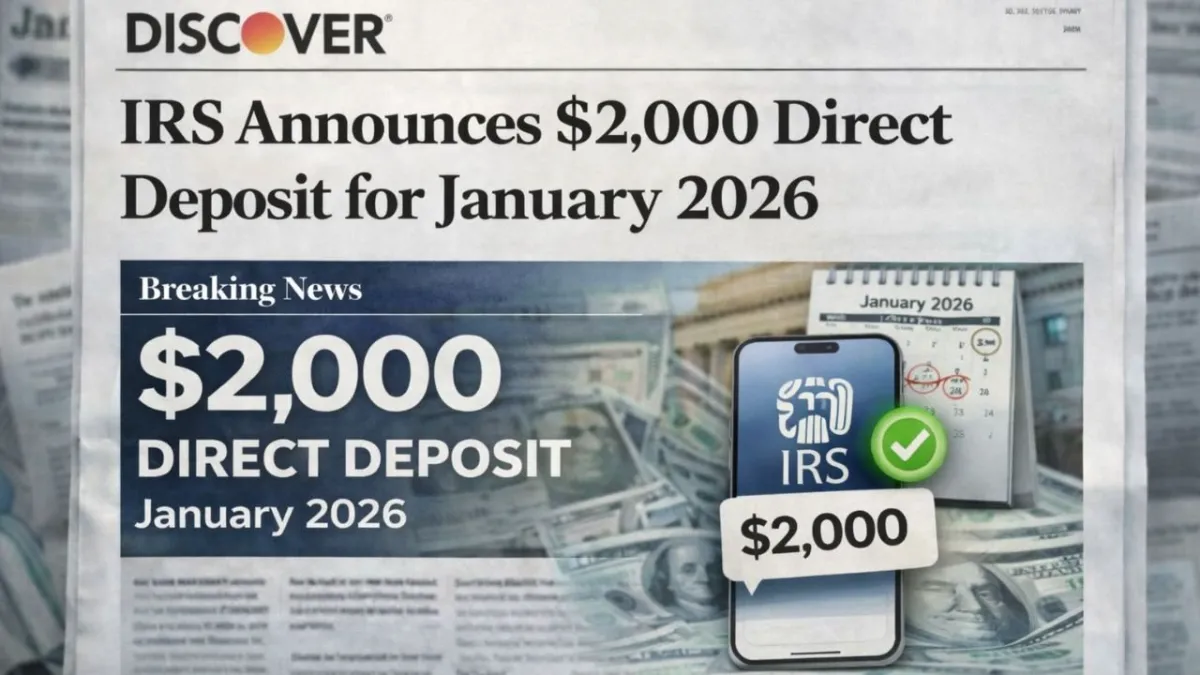
 IRS Confirms $2,000 Direct Deposit for January, 2026 – New Payment Dates and Eligibility Guide
Understanding the difference between routine benefits and emergency stimulus payments is important. One-time stimulus checks are rare and usually tied to major economic crises. Regular benefit adjustments are more common but should not be confused with new stimulus laws.
In simple terms, there is no new federal $1,702 stimulus payment arriving today for everyone. The number being discussed online comes from specific programs, state payments, or regular benefit totals that do not apply to all Americans. The rumors are fueled by misunderstanding and online misinformation.
The best way to protect yourself is to rely on official government information and remain skeptical of viral payment claims. Staying informed helps avoid disappointment, confusion, and scams during times of financial uncertainty.

Disclaimer
This article is for informational purposes only and does not provide financial, tax, or legal advice. As of now, no universal $1,702 federal stimulus payment has been approved or announced by the U.S. government or the IRS. Payment programs, eligibility rules, and amounts can change. Readers should verify information through official government websites or consult qualified professionals for advice specific to their situation.